A name that opens doors and raises the volume
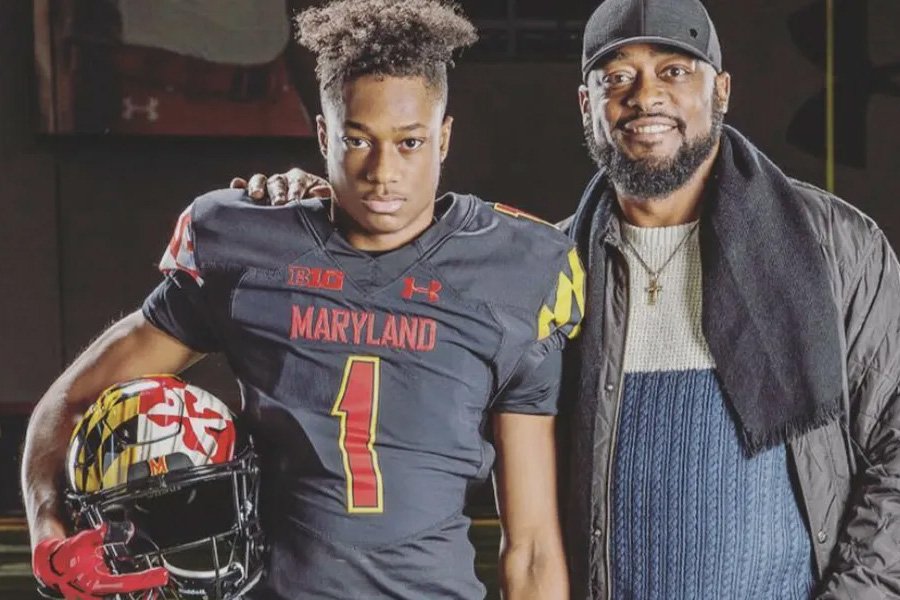
I have watched athletes carry famous surnames into small rooms and large stadiums. Michael Dean Tomlin walks through that doorway with a nickname in his pocket and cleats that demand attention for what they do, not for whose house they lived in. The name creates an index, a shorthand in headlines and locker room banter. Yet names are not destinies. They are starting points. I want to look past the headline tone and listen to the less obvious sounds: the steps, the mitts on the ball, the small exchanges that make a career.
Routes and records that tell only part of the story
Stat sheets are tidy, but they leave out the shaping work. Michael Dean Tomlin moved from Maryland to Boston College. Transfers map to decisions that are both strategic and deeply personal. Playing time, scheme fit, coaching relationships, the need to be in a place where your skill set is appreciated; these are the silent coordinates athletes follow. I pay attention to the movement itself, the choices that suggest someone is learning how to position themselves for opportunity. Numbers follow. Habits arrive long before headlines do.
The minicamp invite as an audition and a hinge
A rookie minicamp invitation is a thin but real hinge. For an undrafted player, it is equal parts show and study. I imagine the table of drills, each exercise a test of hang time and decision making. For Michael Dean Tomlin, stepping into that environment means two things at once. One, you are measured against a baseline: speed, hands, route sharpness, and special teams potential. Two, you are measured for temperament: how you respond to correction, how you move under the microscope, how you absorb a blitz of information and produce something immediate. Invitations do not equal contracts. They offer a platform to translate potential into something transactional and visible.
The family narrative as context and not a script
Families who live in the limelight have habits that ripple across generations. Being the child of a long-tenured head coach carries logistical and emotional freight. I know the cliché about being in the coachs shadow. Yet a family is also a private workshop where habits are taught and accountability is ordinary. I picture film study at the kitchen table, notes like annotations in the margins of a playbook. That code becomes practical: punctuality, attention to detail, the ability to accept a blunt correction and still show up the next day. You can call this legacy. You can also call it toolkit.
Identity and the small acts of self naming
He goes by Dino in many circles. I find that choice telling. Names are instruments of identity. Choosing a nickname can be a gentle resistance to a crowded narrative. It is a way to separate the athlete from the headline, to ask to be seen for actions rather than ancestry. I think of it as a signaling move. It says, I want to be known for my route running and my hands, not merely my last name on a team sheet.
Special teams, versatility, and the narrow gateways to a roster spot
If you listen to veteran coaches, they will tell you that the shortest path from camp to a roster is rarely through flashy offense. It is often through special teams, through willingness to be first on the practice field and last in the locker room. I believe Michael Dean Tomlin understands this. The routes that matter in camp are not always the ones printed in box scores. Blocking on punt returns, staying disciplined in lane assignments, hustling to every tackle and turnover punt; these motions build a reputation. A general manager can look past pedigree if the tape shows reliability and willingness.
Media framing: sympathy, scrutiny, and the chance to redirect the narrative
The media likes tidy arcs. It likes to trace lines: coach makes name famous, son walks similar path. That framing can, at times, obscure the daily grind. I am interested in the moments that disrupt the neat narrative. An undrafted tryout goes well. A minicamp catch is highlighted. A film clip circulates. These micro events let an athlete write his own paragraph. Media attention can be a microphone or a magnifying glass. How it is used depends on the athlete and the choices they make on and off the field.
What training looks like when no one is watching
I imagine the quieter rituals. Early morning sprint sessions with cones arranged like punctuation marks. Route run after route run until the release is second nature. Hand-eye drills that look repetitive and feel sacred. A player with lineage might have structured regimens handed down across seasons. I also imagine improv practice, meeting unexpected coverage with clever adjustments. Those improvisations are the seed of a professional career. They are small rebellions against a static scouting report.
The patience economy of a late bloomer
Careers are not only sprints. They are economies of patience. The players who find longevity often take small steps, make modest improvements, and compound them. There is no single trajectory. Some players explode early, others accrue value over seasons. For Michael Dean Tomlin, the minicamp was a transaction, but the larger work is long term. Building a professional identity requires rituals sustained beyond a single spring workout. It requires consistency in the winter weight room and in film rooms that smell faintly of coffee and late nights.
FAQ
Who is Michael Dean Tomlin?
Michael Dean Tomlin is a college era wide receiver who played at Maryland and then at Boston College. He is also known by the nickname Dino and is part of a family with a notable football presence. I use his name here as a focal point for thinking about how lineage and personal effort intersect.
What was the significance of his rookie minicamp invite?
A rookie minicamp invite is an audition. It is not a guaranteed contract. For an undrafted player, it is a concentrated chance to show technique, temperament, and special teams willingness. It is where scouts check whether a player can translate college tape into pro readiness.
How does having a famous parent affect an athlete?
A famous parent opens doors and also sets expectations. From where I stand, the useful view is to see lineage as a toolbox rather than a script. Skills, discipline, and insider knowledge can be advantages. At the same time, the narrative burden can require deliberate moves to assert independence, like using a nickname or pursuing professional niches that are earned on merit.
What do I look for in a player like him beyond stats?
I look for consistent habits. Hustle on special teams. Receptive attitude in the film room. Clean technique in routes and releases. The capacity to accept correction and still produce is crucial. Those qualities are not always obvious in box scores, but they predict longevity.
Is the minicamp the end or the beginning?
It is a hinge. It can be both a finale for some and a prologue for others. For most undrafted invitees it is a single page in a longer book. The pages that follow are weight room seasons, training camp reps, and preseason moments where small plays become big opportunities.