The Journey of Pam Ling from Medicine to Television
The narrative of Pam Ling is weaved from ambition, intelligence, and compassion. Born April 21, 1968, in Los Angeles, Pam Ling grew up in a reinvention-driven metropolis. Her early desire to explore human health and behavior led her to Harvard University for her undergraduate degree. She then went west to get her medical degree at UCSF, where science meets human care.
While at UCSF, Ling’s life took an unexpected turn. In 1994, during her third year in medical school, she became part of MTV’s groundbreaking social experiment, The Real World: San Francisco. The show, which placed seven strangers in one house, asked the question: what happens when people stop being polite and start being real? For Ling, however, her participation brought something deeper—a chance to witness human dynamics up close and to stand alongside Pedro Zamora, whose HIV/AIDS advocacy left an indelible mark on society.
Ling’s reality TV participation may seem improbable for a future doctor and researcher, yet it taught empathy and tenacity. Her calmness in the show’s chaos foreshadowed the doctor she would become—one who listens, responds, and favors understanding above judgment.
A Marriage Rooted in Shared Values
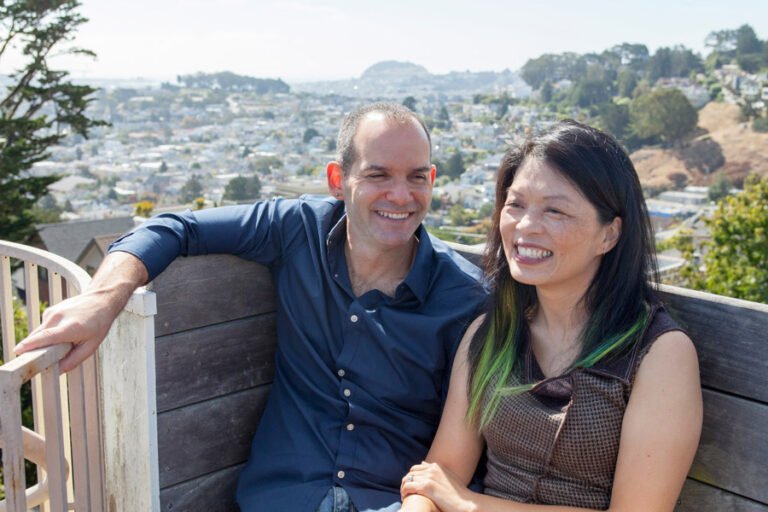
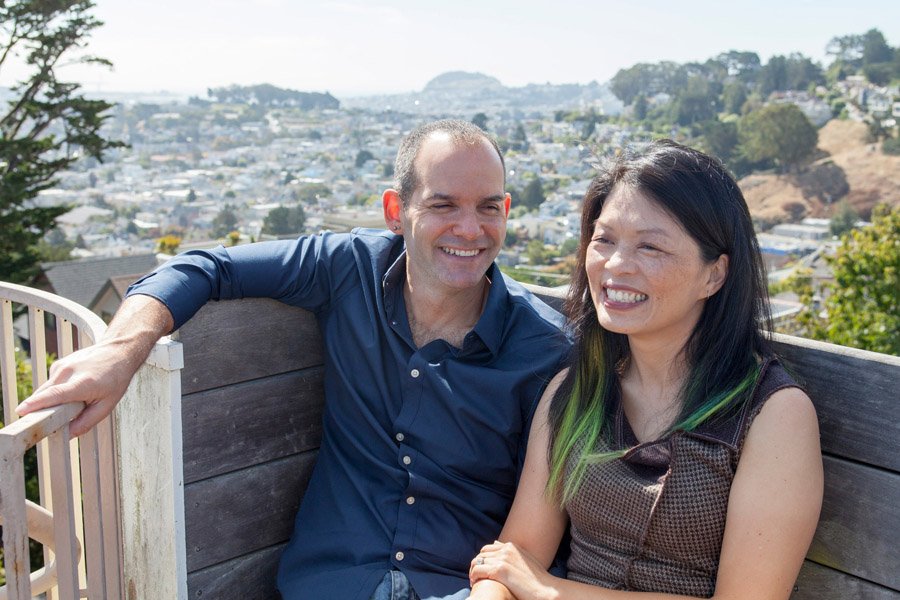
Among the roommates on The Real World was Judd Winick, an illustrator whose humor and warmth stood out. As the cameras rolled, their friendship blossomed, but it wasn’t until after the show ended that their relationship deepened. Their marriage on August 26, 2001, was the beginning of a partnership built on shared values and mutual respect.
Over the years, Ling and Winick have maintained a low-profile family life in San Francisco. They are deliberate about privacy, especially regarding their two children—a son born in May 2005 and a daughter born in January 2008. The metaphor of their relationship is less of a blazing firework and more of a steady lantern, illuminating the path forward without seeking the limelight.
Winick has built a career as a cartoonist and writer, crafting stories that often explore themes of friendship and heroism. Ling, meanwhile, has dedicated herself to public health research, focusing on tobacco control, youth prevention, and HIV/AIDS. Together, their lives are a testament to the power of a partnership that prioritizes purpose over performance.
The Compass of Dual Expertise: Medicine and Public Health
Pam Ling’s career is a study in duality. As a physician, she cares for individual patients, offering them the expertise and compassion they need to navigate their health challenges. As a public health researcher, she looks at populations, studying trends and crafting interventions that address systemic issues.
Ling’s training reflects this duality. After earning her MD at UCSF, she completed a residency in internal medicine and a fellowship in AIDS prevention. Recognizing the need for broader impact, she pursued a Master of Public Health (MPH) at UC Berkeley. This combination of clinical and public health training has served as her compass, guiding her toward work that balances bedside care with population-level solutions.
Her research focuses on how industries like tobacco and vaping shape health behaviors, particularly among youth and young adults. The tobacco industry’s strategies often function like a well-oiled machine, employing targeted marketing and social norms to recruit new users. Ling’s work dismantles these mechanisms, turning data into tools for prevention and policy change.
Tobacco Control as a Chess Match
In her role as Director of the UCSF Center for Tobacco Control Research and Education, Pam Ling leads efforts to decode the tobacco industry’s playbook. Her research is akin to a chess match, where each strategic move by the industry is met with a counter-strategy aimed at protecting public health.
One area of focus is youth-targeted marketing. Tobacco companies often use tactics that appeal to young people, from social media campaigns to flavored products designed to mask the harshness of nicotine. Ling’s research exposes these tactics and informs policies to disrupt them.
She examines young adult cessation tactics since various demographics need different approaches to stopping tobacco. Her research on e-cigarettes and vaping expands on nicotine products and their health effects.
Ling’s contributions go beyond conferences and research papers. She shaped several U.S. Surgeon General’s tobacco reports help policymakers use evidence. Her work is based on the idea that public health interventions should be rigorous and practical, giving communities skills to build healthier futures.
Reflections on Legacy and Quiet Leadership
Pam Ling’s public presence is small, yet her impact is huge. The Real World: San Francisco’s 30th anniversary retrospectives in 2024 highlighted her and Pedro Zamora. Instead of nostalgia, Ling thoughtfully reflected on activism, friendship, and perseverance.
Her social media presence mirrors her approach to public life. It is primarily professional, highlighting research findings, conference participation, and UCSF initiatives. Personal details are rare, reflecting her commitment to privacy and purpose.
In many ways, Pam Ling’s career and life embody the idea of quiet leadership. She does not seek attention, yet her work resonates deeply. She does not perform for an audience, yet her steady contributions shape the health landscape for generations to come.