Takeaways
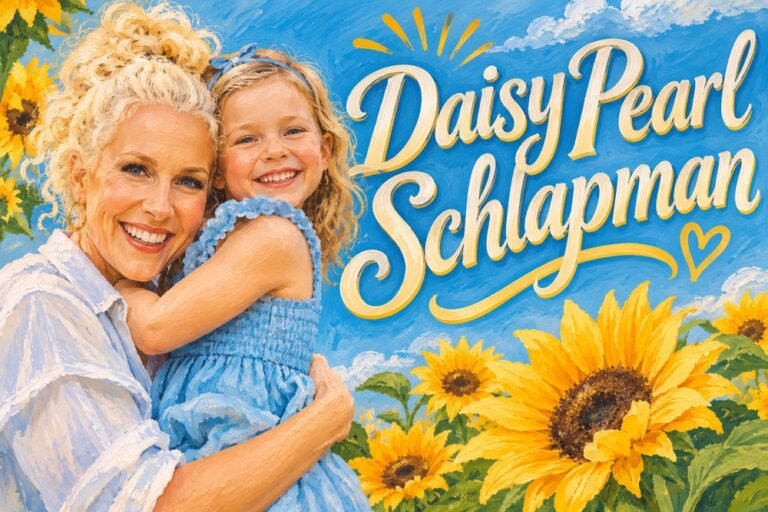
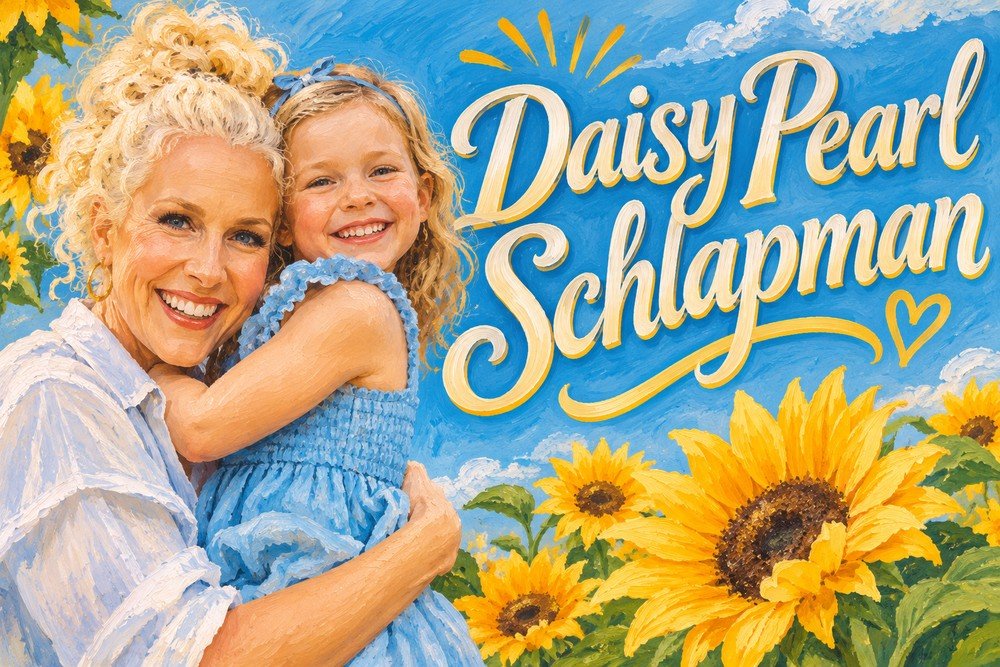
Daisy Pearl Schlapman is known publicly through her family connection to country singer Kimberly Schlapman and the group Little Big Town. The profile of Daisy Pearl Schlapman describes a childhood shaped by music, travel and family routines, while emphasizing that she has not pursued an independent public career. Because she is a young person whose life has largely been discussed through a parent’s public platform, a respectful account keeps to broad, voluntarily shared details and avoids treating ordinary family moments as public property.
A family with music in its life
Daisy was born in 2007, according to the supplied biography, and is the older daughter of Kimberly and Stephen Schlapman. Kimberly is a member of Little Big Town, a country music group whose career includes touring, recording and public performances. When a parent works in music, the rhythm of family life can include travel and unusual schedules. It can also require deliberate routines at home, with family members supporting one another across busy stretches.
The source describes Daisy’s birth as occurring while her mother was on tour. That detail is part of the family’s public account, but the larger point is how a touring career and parenting can intersect. Musicians may spend long periods away from home, while partners and relatives help maintain stability. Families make those arrangements in many different ways, and the specific details should be shared by the people involved rather than assumed from a celebrity’s work schedule.
Stephen Schlapman has been described in the source as a steady presence in family life and a former road manager. A family story is not a cast list: each person has a role and a perspective of their own. For children, having a parent in the public eye can mean occasionally appearing in photos or stories without choosing fame themselves. That is why coverage should focus on public context and be careful with identifying details or private routines.
Shared interests and learning
The supplied profile says Daisy and her father practiced Tae Kwon Do together and earned black belts. Martial arts training typically involves regular practice, respect for instructors and gradual progression through ranks. A shared activity can also create an important parent-child bond: it offers time spent together around a common goal and gives both participants a way to celebrate patience and effort. The significance is not the belt alone, but the work and relationship behind it.
Learning a discipline outside school can help young people develop confidence and focus. It can also remind adults that children have interests beyond their family’s profession. A young person raised around touring musicians does not have to become a performer. They may enjoy sports, arts, academics or pursuits that remain private. The profile’s account of martial arts is best treated as one reported interest, not a prediction about Daisy’s identity or future.
Little Big Town’s official band biography provides context about Kimberly’s professional career. That public career belongs to Kimberly and her bandmates. Daisy’s presence in family stories is a separate matter. Maintaining that distinction respects the difference between a parent’s chosen public work and a child’s developing life.
Family change and belonging
The source reports that Daisy became an older sister when her family adopted Dolly Grace in 2017. Adoption is a personal family story, and families have different preferences about what they share publicly. The profile says Daisy had hoped for a sibling and was excited to welcome one. Those reported details can be acknowledged in broad terms, while avoiding unnecessary information about the adoption process or a child’s private history.
Books and public conversations about adoption can help families discuss belonging and the meaning of a growing household. They can also broaden understanding of how families are formed. But each adoptee deserves control over their own story as they grow older. Public narratives should center consent, avoid framing adoption as a simple solution to loss and recognize that family bonds are built over time through care and trust.
For a family connected to country music, storytelling may be a natural part of public life. Songs, interviews and books can share values and experiences with an audience. Still, no family is obliged to turn every moment into content. Boundaries help preserve a child’s freedom to decide later what parts of their life they want to make visible.
Growing up beyond the spotlight
The profile’s central message is that Daisy is not a public entertainer in her own right. She has appeared in family-related material, but there is no reason to infer a career plan or personality from those appearances. Young people change interests as they mature. They also deserve space to make mistakes and decisions without those moments becoming permanent search results.
Parents who share family stories online can offer warmth and connection, and audiences may appreciate seeing a musician’s life beyond the stage. At the same time, a child cannot always understand the future reach of a photograph or caption. Readers and publishers can help by not amplifying intimate details, avoiding direct contact or speculation, and keeping coverage proportionate to the public interest.
Daisy Pearl Schlapman’s story is currently best understood through the family’s public connection to music, an account of shared martial arts training and the arrival of a younger sibling. Those details describe a setting, not the whole of a person. The kindest and most accurate approach is to let her grow beyond the biography written around her childhood. Her future belongs to her, whether she chooses public work or a quieter path.