A Lawyer Built for Pressure
Harry M Brittenham moved through Hollywood like a steady hand over a live wire. He was not just a lawyer who knew the machinery of entertainment. He understood the temperature of a room, the weight of silence, and the value of timing. In an industry where careers can hinge on one clause, one phone call, or one late night breakthrough, that kind of instinct mattered as much as legal training.
His life read like a map of American ambition. Born in Michigan, shaped by military discipline, educated at the Air Force Academy and UCLA, he carried the polish of a strategist and the calm of someone who had already seen bigger weather than a difficult negotiation. Harry M Brittenham was the sort of figure who could sit across from a studio chief, a star, or a producer and translate chaos into structure. That skill is rare. It is also the reason his name became woven into the history of modern entertainment law.
From Airfields to Studio Corridors
The rhythm of Brittenham’s early life gave him an unusual foundation. A childhood marked by movement can create either restlessness or adaptability. In his case, it seems to have created both resilience and range. Military service reinforced discipline, but it also offered something less visible and more useful in law: an instinct for order under stress.
When he shifted from the Air Force into law, he did not abandon that training. He repurposed it. Entertainment law in Los Angeles can resemble a battlefield with better lighting. Tensions rise fast, stakes stay high, and everyone arrives with a theory of what they deserve. Brittenham entered that environment with a clear advantage. He knew how to listen without blinking, how to hold position without becoming rigid, and how to move a conversation from emotion to terms.
That balance gave him an edge. He could be exact without becoming cold. He could be firm without losing rapport. In a city built on image, that combination made him valuable.
Building a Firm with Staying Power
The founding of Ziffren Brittenham LLP in 1978 was more than a business milestone. It was an act of institution building. Entertainment law firms come and go, but the ones that endure usually do so because they offer more than technical expertise. They become interpreters, translators, and quiet architects of power. Brittenham helped create one of those firms.
His practice was not about spectacle. It was about precision. The work of a top entertainment lawyer often lives in the shadows, yet its effects can shape careers for decades. Contracts determine who gets credit, who gets paid, who controls a project, and who benefits when the project becomes a phenomenon. Brittenham’s influence sat inside those pages. He helped define how money and creative labor could coexist in an industry that often pretends they are natural enemies.
That may be his most important contribution. He did not treat business terms as an insult to art. He treated them as the frame that allows the painting to survive.
Profit Participation and the Shift in Power
One of the defining currents in Harry M Brittenham’s career was the rise of profit participation. Today, backend deals are part of Hollywood vocabulary, but they did not arrive fully formed. They had to be negotiated into legitimacy. They had to be argued for, refined, defended, and made normal.
Brittenham helped push that change forward. In practical terms, this meant helping talent secure a share of success beyond upfront compensation. In cultural terms, it meant giving artists and performers a stronger claim on the value they helped create. That shift altered the logic of the business. It made the economics of entertainment more layered, more negotiated, and more transparent in some areas, even if never simple.
This was not just bookkeeping. It was leverage. It was a recalibration of who gets to benefit when a film, series, or franchise takes off like a firework in a dark sky. The ripple effect extended far beyond any one client or project. When people talk about the modern architecture of Hollywood compensation, they are talking about the kind of change Brittenham spent years helping shape.
Clients, Trust, and the Weight of Confidentiality
A lawyer in his position does not succeed on reputation alone. He succeeds because clients trust him with the parts of their careers that cannot be discussed publicly. That trust is difficult to earn and easy to lose. It requires discretion, patience, and the ability to make people feel protected without making them feel managed.
Harry M Brittenham represented an impressive roster of names across acting, comedy, production, and studio leadership. The variety matters. It shows breadth, but it also shows adaptability. The needs of a movie star, a comedy legend, and a studio executive are not identical. The best entertainment lawyers read those differences the way a seasoned sailor reads wind shifts. They adjust constantly without appearing to strain.
The deeper story here is not celebrity. It is confidence. People at the center of major deals often need someone who can absorb pressure without reflecting it back. Brittenham seemed to offer exactly that. He was a buffer, a sharp mind, and a steady center of gravity when the market, the press, or the creative process grew unstable.
Beyond Law, a Creative Mind at Work
It would have been enough for Harry M Brittenham to remain a commanding legal figure. Instead, he also stepped toward creative expression. His work in graphic novels showed a different kind of appetite, one that reached beyond contracts and conference rooms. That move matters because it reveals a man who did not merely monetize stories. He wanted to make them.
The leap from entertainment law to speculative fiction is not as strange as it first appears. Both worlds rely on structure. Both depend on stakes. Both ask what happens when desire collides with constraint. In law, the constraint is legal reality. In fiction, it might be alien worlds, scientific invention, or emotional conflict. Either way, the mind is doing similar work: arranging pressure, consequence, and meaning.
That creative detour gives his biography texture. It suggests a restless intelligence, one that could not be satisfied by always standing outside the story. He wanted to enter it.
Fly Fishing as Practice, Not Just Leisure
Harry M Brittenham’s love of fly fishing feels almost like a private philosophy made visible. The sport rewards patience, but not passivity. It demands control, but not force. It requires reading movement, light, and current, then making a cast that is both deliberate and adaptable. That is not far from negotiation.
Fishing offers a world stripped of theatrical noise. There are no title cards, no studio notes, no rounds of applause. There is only water, weather, skill, and attention. For someone who spent years in the dense circuitry of Hollywood, that must have felt restorative. It may also have clarified something essential. In both fishing and law, the best results often come from knowing when not to push.
His success in competitive fishing reflects that same discipline. Competition on the water is unforgiving. It tests composure as much as technique. To win there, as in law, requires more than enthusiasm. It requires nerve shaped into method.
Family, Memory, and a Life That Stayed Close to Home
For all the glamour that can surround an entertainment lawyer, the most durable part of Harry M Brittenham’s life seems to have been family. The public profile matters, but family creates the private architecture underneath it. Marriage, children, grandchildren, shared rituals, and ordinary affection become the counterweight to a career built on high stakes and high visibility.
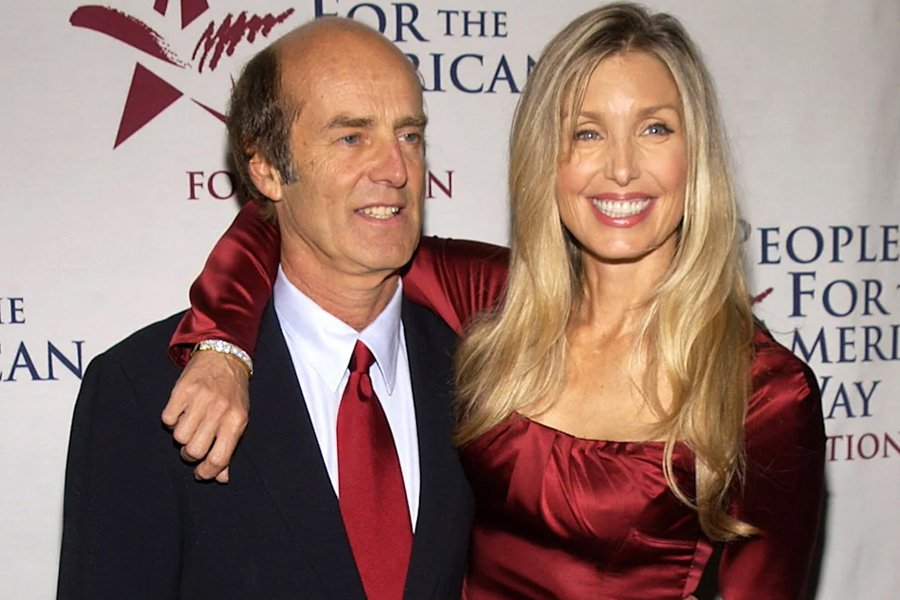
His long marriage to Heather Thomas placed him in a different kind of partnership, one rooted not just in publicity or professional overlap but in shared life over time. That matters because long marriages are often the true measure of a person’s habits. They reveal whether someone knows how to listen at home as well as in a boardroom, how to stay present when the cameras are gone.
His daughters carried forward different pieces of that inheritance. Their lives suggest a family culture shaped by intellect, conviction, and service. The broader image is not of a distant figure but of a man connected to the people around him, someone whose warmth showed up in ways that did not need headlines.
The Kind of Legacy That Changes the Rules
Harry M Brittenham’s legacy sits in the invisible places where industries are quietly restructured. It lives in contract language, in compensation models, in the confidence of talent who know they can ask for more, and in the firms that continue the standards he helped build. It also lives in the less formal realms of memory: the fishing stories, the creative projects, the steady phone calls, the reputation for grace under pressure.
He belongs to a class of figures who altered Hollywood without ever needing to dominate its imagery. That is a subtler kind of power. Like a river carving stone, it works over time.
How To Choose A Parking Garage Without Losing Your Mind
Small Gold Holdings With Big Investment Lessons
Designing Industrial Spaces That Work As Hard As Your Equipment
Keeping Household Finances Afloat During Probate
How Massachusetts Drivers Can Stay Ahead Of Vehicle Repossession